

Which Metal Enclosures Is The Best For Your Device?
May 13, 2025
Leave a message
When it comes to choosing the right metal enclosure for your device, many people may feel confused because there are many different types of metal enclosures available on the market. Metal enclosures not only play an important role in protecting devices from the external environment, but also provide additional mechanical strength to ensure the normal operation of the device under various extreme conditions. However, different metal materials, design structures, and protection levels will directly affect the performance and applicability of the enclosure. Therefore, choosing the right metal enclosure is crucial to the stability, lifespan, and overall performance of the device. In this article, we will take an in-depth look at several common types of metal enclosures to help you choose the most suitable product according to your different needs.
Content
1. The core value of metal chassis
2. Material comparison and selection guide
3. Application scenario matching strategy
4. Cooling system design considerations
5. Structural and process details
1. The core value of metal chassis
Metal chassis has irreplaceable core value in equipment protection, electromagnetic shielding and heat dissipation performance. It can effectively prevent the external environment from invading the equipment, such as dust, moisture and chemicals, while providing strong physical protection. The metal chassis also has excellent electromagnetic shielding capabilities, blocking electromagnetic interference and ensuring stable operation of the equipment. It is particularly suitable for sensitive fields such as communications and medical treatment. In addition, metal materials have excellent heat dissipation performance, which effectively helps the equipment dissipate heat and avoid failures caused by overheating. It is especially suitable for high-power equipment and long-running systems. Different application scenarios such as industrial equipment, home 3D printers, servers, etc. have different requirements for chassis. For example, industrial equipment needs to withstand harsh environments, while servers pay more attention to heat dissipation and electromagnetic shielding. Therefore, with its multiple advantages, the metal chassis has become an ideal protective shell for various electronic devices.
2. Material comparison and selection guide
The choice of material is crucial to the protection performance of the equipment. Different metal materials have their own characteristics and are suitable for different application scenarios. When choosing a metal box, it is crucial to understand the characteristics and key parameters of each material.
- Aluminum alloy: Aluminum alloy is lightweight and has strong corrosion resistance, so it is particularly suitable for portable devices such as mini 3D printers and lightweight consumer electronics. Its lightweight characteristics make the equipment easier to carry and less affected by environmental factors.
- Galvanized steel sheet: Galvanized steel sheet is widely favored for its low cost and excellent impact resistance, especially for industrial-grade equipment. This material can effectively resist external impact and corrosion, and is commonly used in equipment that requires high-strength protection, such as industrial controllers, embedded devices, etc.
- Magnesium alloy: Magnesium alloy has high hardness and excellent heat dissipation performance. It is often used in high-end servers, precision instruments and other equipment that require efficient heat dissipation and strong protection. Its good thermal conductivity can help the equipment better control the temperature and ensure stable operation.
There are three common metal box materials mentioned above, but when choosing a metal box, there are some other key parameters to weigh in addition to the material, which are also important factors in determining the metal box.
- The impact of thickness on protection level: The thickness of the metal box directly affects its protection performance. The common thickness range is 0.8mm to 2.0mm. Thicker metal shells provide better impact resistance and protection, but also increase weight. For devices that require a higher level of protection (such as waterproof and dustproof), thicker metal materials are more suitable. For portable devices with high weight requirements, thinner metal materials may be an ideal choice.
- The relationship between conductive oxidation treatment and electromagnetic shielding performance: Conductive oxidation treatment can enhance the electromagnetic shielding effect of metal shells. By oxidizing the metal surface, a conductive oxide film can be formed on the surface, which effectively blocks electromagnetic interference (EMI) and radio frequency interference (RFI). For devices with high requirements for electromagnetic compatibility, such as communication equipment or medical equipment, conductive oxidation treatment is an important means to improve shielding performance.
In summary, when choosing a metal box, it is necessary to comprehensively consider the choice of material and thickness according to the specific needs of the equipment, and at the same time consider the impact of conductive oxidation treatment on electromagnetic shielding, so as to ensure the stable operation of the equipment in various environments.
3. Application scenario matching strategy
When choosing a metal box, the different requirements of the application scenarios determine the choice of metal material and design. The following are recommendations for matching strategies between several typical application scenarios and metal boxes:
1. Industrial equipment
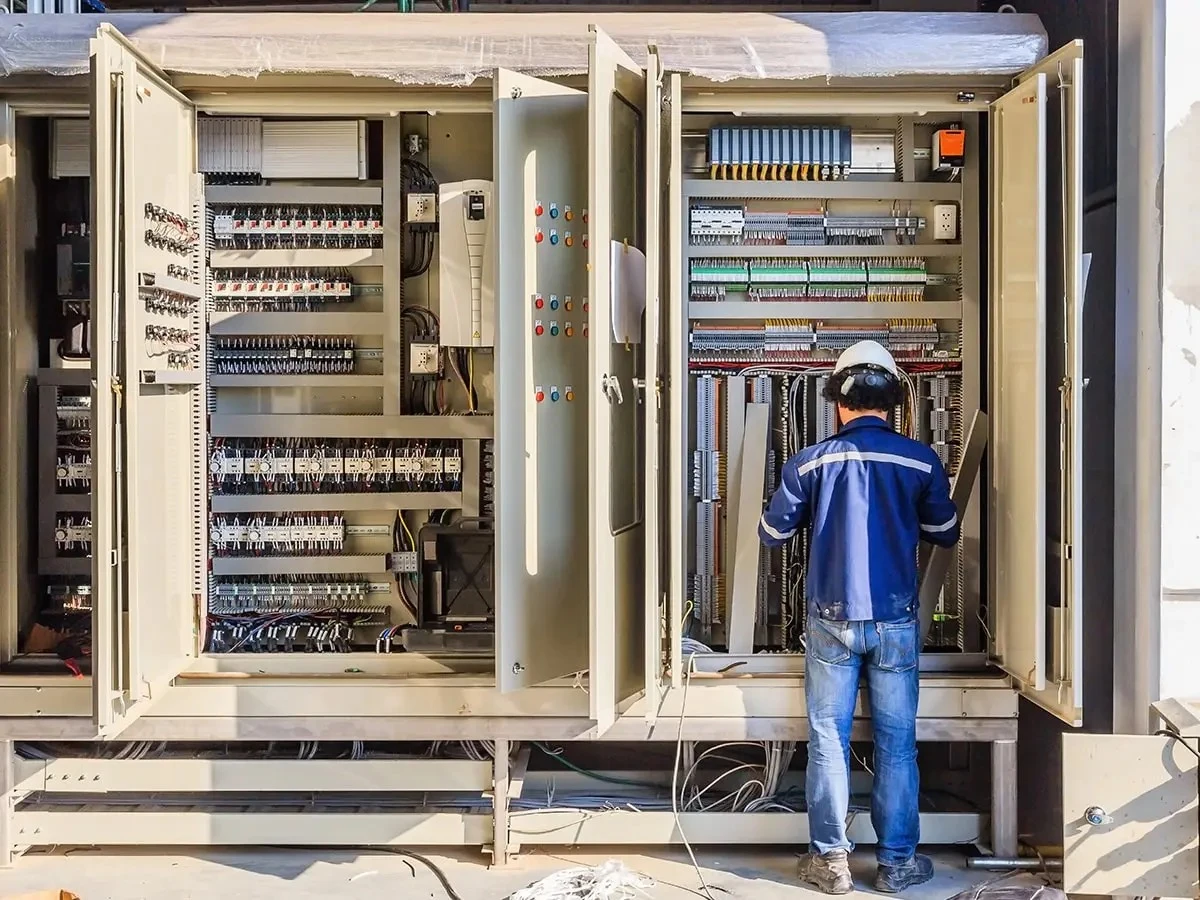
Industrial equipment usually faces a harsh use environment and needs to be able to withstand vibration, high temperature, impact and other external factors. Therefore, in such scenarios, it is more appropriate to choose galvanized steel sheet as the shell material. Galvanized steel sheet has good impact resistance and corrosion resistance, which can effectively protect the equipment from damage in harsh environments. In addition, the internal design should adopt a reinforcing rib structure to enhance the vibration resistance of the chassis and ensure the stability and durability of the equipment in continuous work. For industrial-grade applications, the waterproof and dustproof capabilities of the chassis should also be considered to ensure the normal operation of the equipment in environments such as high temperature and dust.
2. Home/desktop equipment
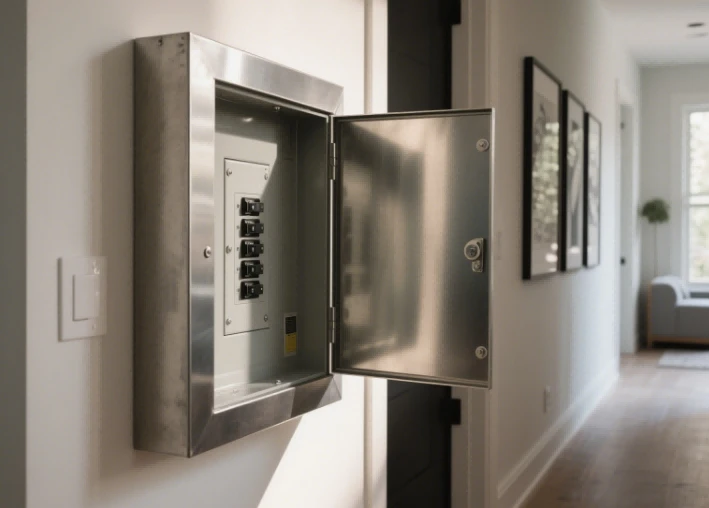
Home and desktop equipment often have high requirements for appearance and weight. In order to ensure lightweight and aesthetics, aluminum alloy is an ideal choice. Aluminum alloy is not only light in weight, but also has good corrosion resistance, which is suitable for equipment that needs to be used for a long time and needs to be easy to move. For the heat dissipation needs of the equipment, the Mesh panel design can ensure good air circulation while providing aesthetic effects, balancing heat dissipation and appearance. Such a design can effectively reduce the temperature of the equipment and extend its service life.
3. Outdoor equipment
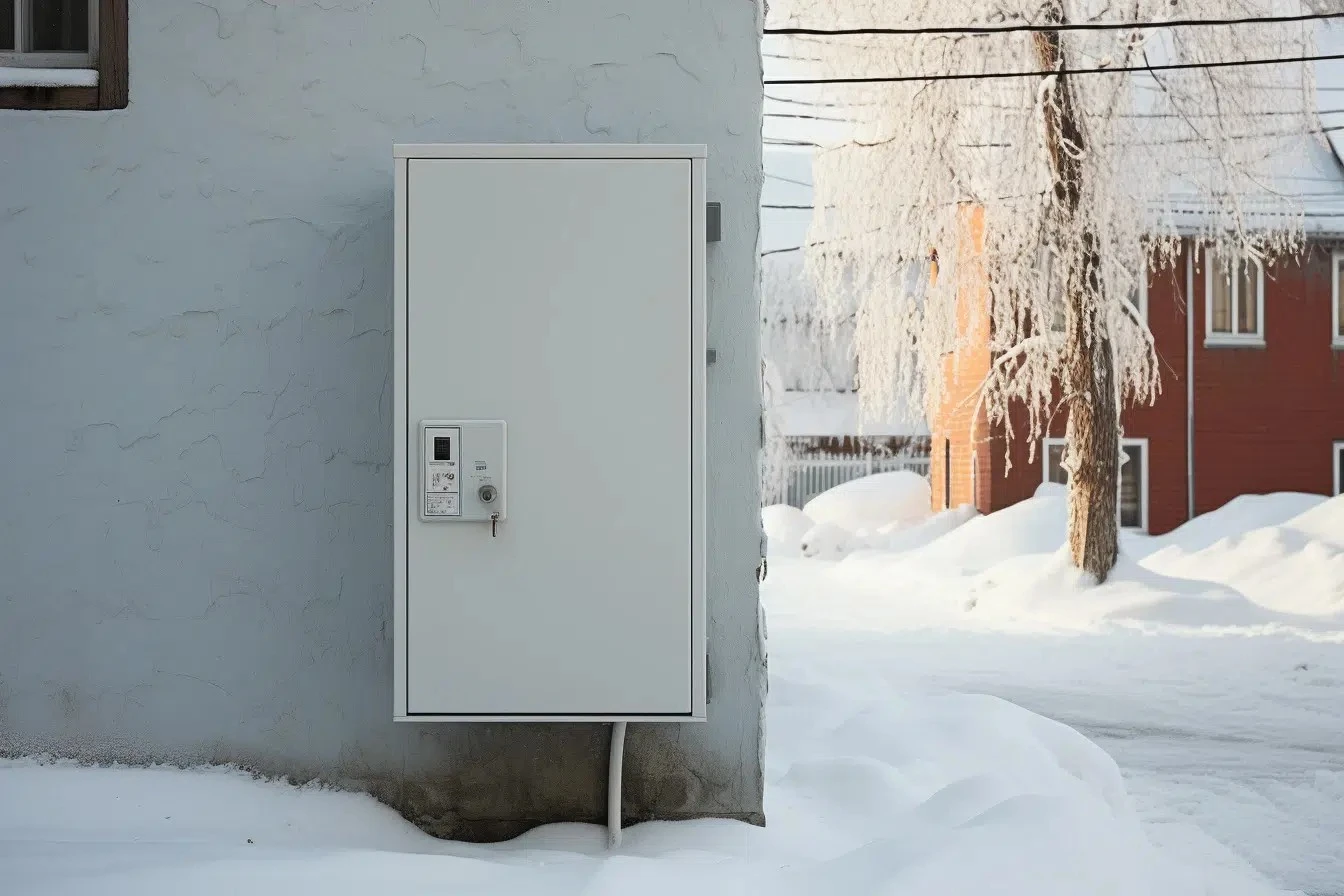
Outdoor equipment needs to work for a long time under various weather conditions, so the requirements for rust prevention and protection level are high. In such applications, anti-rust coating is essential to prevent metal materials from being corroded by factors such as moisture, rain, and salt spray. At the same time, the metal box also needs to have a higher IP protection level, such as IP65, to ensure that it is waterproof and dustproof, and to ensure the reliability of the equipment in outdoor environments. The higher the protection level, the stronger the adaptability of the metal casing to the external environment, and the service life of the equipment will be effectively extended.
In summary, the selection of metal boxes for different application scenarios should comprehensively consider material properties, heat dissipation requirements, appearance design, and protection capabilities to ensure the best performance and long-term stable operation of the equipment in a specific environment.
4. Cooling system design considerations
The design of the heat dissipation system of the metal electrical box is crucial and directly related to the stability and service life of the equipment. The air duct layout is the core of the heat dissipation design. Common layout types include horizontal, vertical and mixed air ducts. Horizontal air ducts are suitable for equipment with wider space and help long-distance heat conduction; vertical air ducts use the natural principle of hot air rising and are suitable for high-density equipment; mixed air duct layout combines the advantages of both and provides a more balanced heat dissipation effect. In terms of fan configuration, it is recommended to reasonably select the number and position of fans according to the power requirements of the equipment to ensure good ventilation and heat dissipation near the heat source, especially in high temperature or high load environments. High temperature resistant and dustproof fans can improve system stability.
The choice of panel material also has a significant impact on heat dissipation efficiency. Mesh mesh panels can improve air circulation and are suitable for equipment with high heat dissipation requirements, but their protection performance is poor and they are easily disturbed by external dust. Fully enclosed metal panels provide better protection capabilities and are suitable for equipment that requires higher external protection, but their heat dissipation effect is relatively poor. Therefore, when designing, it is necessary to balance the protection and heat dissipation requirements according to the actual usage scenario. It may be necessary to combine the two panel designs to optimize the heat dissipation effect and equipment protection.
In high dust environments, passive cooling solutions such as thermal fins are ideal. Thermal fins help devices dissipate heat more efficiently by increasing the heat exchange area, and are particularly suitable for environments where fans cannot be used. However, thermal fins may also reduce heat dissipation efficiency due to dust accumulation, so regular cleaning and the use of dust-proof coatings are necessary. In summary, the heat dissipation design of metal electrical boxes needs to comprehensively consider the environment, equipment requirements and protection requirements to ensure stable operation of the equipment in various environments.


5. Structural and process details
The structure and process design of the metal box play a vital role in its functionality, maintenance convenience and long-term stability. The modular design allows the internal components of the equipment to be quickly disassembled and replaced, greatly improving the maintenance efficiency and scalability of the system, especially in industrial control and server applications, which can quickly respond to faults and reduce downtime. In addition, the modular design also makes the equipment more flexible and can be customized and upgraded according to needs.
Sheet metal processing processes such as laser cutting and CNC bending have extremely high precision requirements for metal boxes. Laser cutting can achieve precise processing of complex shapes and details, and CNC bending ensures the precise docking and stability of parts, thereby ensuring the structural strength and accuracy of the metal box. The standardized design of the mounting interface, especially the 19-inch rack compatibility, enables the equipment to be easily integrated with other standardized systems, improving the compatibility and flexibility of the equipment in different environments.
In summary, the design of the metal box should not only consider the stability and aesthetics of the structure, but also pay attention to processing accuracy and compatibility to ensure the efficient operation and long-term stability of the equipment in various environments.
When choosing a metal casing suitable for a device, you first need to consider the working environment and functional requirements of the device. For industrial equipment, galvanized steel plates are ideal due to their impact resistance and corrosion resistance; aluminum alloy casings are suitable for portable devices, providing the advantages of lightweight and corrosion resistance; high-performance devices can choose magnesium alloy casings due to their excellent heat dissipation performance and high hardness. In addition, design details such as the heat dissipation system, air duct layout, and panel materials are also crucial and can effectively improve the performance and stability of the device. By comprehensively considering these factors, choosing the right metal casing can not only ensure the reliability of the equipment, but also extend its service life.
Send Inquiry