

Outdoor Electrical Enclosure Projects: From Size Requirements to Verified IP Protection
Nov 06, 2026
Leave a message
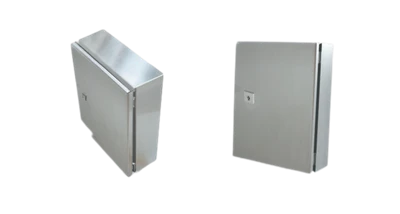
Outdoor electrical enclosures must do more than house electrical components. They need to maintain protection against dust, water, temperature changes, and other environmental conditions while providing sufficient internal space for equipment installation and cable connections.
For equipment manufacturers, electrical contractors, and system integrators, sourcing outdoor enclosures in volume requires careful coordination between enclosure dimensions, material selection, IP protection, structural design, and production consistency.
At Prota, we support custom metal enclosure manufacturing for industrial and electrical applications, helping customers translate project specifications into practical enclosure designs.
Match Enclosure Dimensions to the Actual Equipment Layout
Standard enclosure dimensions do not always provide enough usable space for internal components, mounting plates, wiring, and cable connections.
Before confirming an enclosure model, buyers should evaluate both external dimensions and usable internal dimensions.
Key considerations include:
- External Dimensions: Height, width, and depth must match the available installation space.
- Usable Internal Space: Allow sufficient clearance for electrical components, wiring, and maintenance access.
- Mounting Plate Position: Check the available mounting area and installation clearance.
- Cable Entry Locations: Confirm the number, size, and position of cable openings.
- Door Clearance: Ensure that installed components do not interfere with door movement or operation.
For projects involving multiple enclosure sizes, maintaining a consistent structural design where possible can also simplify installation and future maintenance.
Select Materials According to Outdoor Conditions
Material selection affects enclosure weight, corrosion resistance, structural strength, and long-term performance.
Different materials serve different operating environments:
| Material | Key Characteristics | Typical Considerations |
|---|---|---|
| Stainless Steel | Corrosion resistance and mechanical strength | Humid, corrosive, and demanding industrial environments |
| Aluminum | Lightweight construction and good corrosion resistance | Weight-sensitive installations and outdoor equipment |
| UV-Resistant Plastic | Lightweight and electrical insulation properties | Outdoor applications requiring suitable UV-resistant material |
The choice should consider the actual installation environment, including moisture exposure, sunlight, temperature variation, and potential chemical contact.
For metal enclosures, surface treatment is another important factor. Powder coating and other suitable finishes can provide additional surface protection based on the application requirements.
Define the Required IP Protection Level
Ingress Protection (IP) ratings indicate how effectively an enclosure protects internal components against solid particles and water.
For outdoor electrical equipment, IP65 and IP66 are common specifications, but they are not interchangeable.
- IP65: Provides complete protection against dust and protection against water jets from any direction.
- IP66: Provides complete protection against dust and protection against powerful water jets from any direction.
The appropriate rating depends on the actual installation conditions and exposure to water.
It is also important to consider the complete enclosure assembly rather than the enclosure body alone. Door gaskets, cable glands, cable entry covers, locks, and mounting interfaces can all affect the final protection performance.
Any changes to these components should be reviewed before confirming the required IP rating.
Consider IK Protection and Environmental Testing
For outdoor installations, water and dust protection may not cover every potential risk. Mechanical impact and environmental exposure should also be considered.
Depending on the project specification, relevant verification may include:
- IP Testing: Evaluates protection against dust and water ingress.
- IK Testing: Assesses resistance to mechanical impact.
- Coating Thickness Inspection: Checks the consistency of the protective surface coating.
- Salt Spray Testing: Evaluates corrosion resistance under specified test conditions.
- Dimensional Inspection: Verifies enclosure dimensions, openings, and assembly accuracy.
For project procurement, buyers should request test reports that correspond to the proposed enclosure configuration. Reports for a different enclosure structure or sealing arrangement should not automatically be treated as evidence for the selected model.
Review Customization Before Mass Production
Large-volume enclosure procurement requires more than confirming a unit price. Engineering details should be finalized before production to reduce changes during manufacturing and installation.
Prota provides custom enclosure manufacturing based on customer drawings, samples, and technical specifications.
Customization can cover:
- Overall enclosure dimensions and structural design
- Mounting plates and internal component layouts
- Cable entries, cutouts, and gland plate configurations
- Door structures, hinges, and locking systems
- Material selection and surface finishing
- Custom colors and other installation requirements
Our engineering team can also provide 3D design support to help customers review enclosure dimensions, internal layouts, and component positioning before production.
Maintain Consistency Across Batch Production
When purchasing enclosures in large quantities, dimensional consistency and repeatable assembly are essential.
A practical production workflow should include several verification stages:
- Drawing Confirmation: Finalize dimensions, materials, openings, and structural details.
- Sample Evaluation: Review the initial enclosure for fit, assembly, and functional requirements.
- Production Inspection: Check material, dimensions, welding, surface treatment, and component installation.
- Final Verification: Confirm the finished products against the approved specifications before shipment.
Keeping an approved drawing and inspection standard for each model also helps maintain consistency across repeat orders.
Custom Outdoor Enclosure Manufacturing by Prota
Prota specializes in precision sheet metal fabrication and custom electrical enclosure manufacturing for OEMs, equipment manufacturers, and industrial project suppliers.
Our manufacturing capabilities cover laser cutting, CNC bending, welding, surface finishing, assembly, and quality inspection. We work with steel, stainless steel, and aluminum to develop enclosure solutions for different equipment and installation requirements.
From initial design review and sample development to batch manufacturing, we help customers coordinate enclosure specifications, structural details, and production requirements within one manufacturing process.
Whether you need standard IP65/IP66 enclosure configurations or customized outdoor electrical enclosures, Prota can review your drawings and technical requirements to develop a suitable manufacturing solution.
Looking for an outdoor electrical enclosure manufacturer for your next project?
Contact Prota with your required dimensions, material specifications, IP rating, cable entry details, and estimated order quantity. Our team can help review your requirements and provide a suitable enclosure solution.
Send Inquiry