

How to Order Custom Floor Standing Electrical Cabinets from a Manufacturer?
Nov 26, 2025
Leave a message
What Is a Floor-Standing Electrical Cabinet
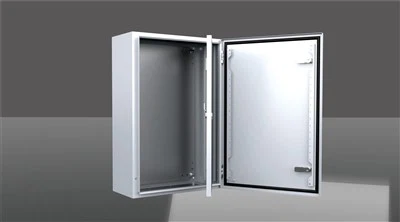
A floor-standing electrical cabinet is a large freestanding metal enclosure designed to protect electrical control systems, power distribution units, PLC modules, industrial automation components, and communication equipment. With high load capacity and large internal space, these cabinets are widely used in factory automation, energy systems, water treatment, smart infrastructure, and industrial OEM equipment.
PROTA develops a full line of floor-standing electrical enclosures and provides OEM/ODM customization services for global industrial buyers who require reliable and heavy-duty cabinet solutions.


Why Industrial Buyers Choose Custom Cabinets
Custom cabinets help B2B buyers meet exact project specifications and environmental challenges. Key benefits include:
- Accurate dimensions that match equipment and cabling needs
- Optional designs for complex internal layouts
- IP54 / IP55 / IP65 / IP66 protection levels for harsh environments
- Material options for corrosion resistance
- Engineering optimization for maintenance and wiring convenience
- Branding consistency, color customization, and long-term durability
PROTA's engineering team supports industrial clients with tailored designs, ensuring each enclosure fits the project conditions and performance requirements.
Key Steps in Ordering a Custom Cabinet
Requirement Definition
Industrial buyers begin by outlining all technical requirements:
- Cabinet dimensions (H × W × D)
- Installation environment: indoor/outdoor, humidity, dust, temperature
- Required IP rating (IP54 / IP55 / IP65 / IP66)
- Internal layout, load requirements, and wiring methods
- Door type, lock style, cable entry direction
- Compliance needs: CE, UL, ISO standards
Clear initial requirements help accelerate engineering evaluation.
Material and Structural Options
Manufacturers offer different material choices:
- Cold-rolled steel for general industrial applications
- SS304 for standard outdoor and corrosion-resistant conditions
- SS316 for marine, chemical, or highly corrosive environments
Structural options include:
- Single or double doors
- Reinforced base frames
- Adjustable internal mounting plates
- Side or rear access panels
- Top or bottom cable entry
- Optional ventilation or cooling systems
Surface Treatment and Finishing
Surface finishing affects durability, corrosion resistance, and aesthetics. Common options include:
- Powder coating, offering strong adhesion, resistance to chemicals, and long-term color stability
- Brushed or polished stainless-steel surfaces
- Custom RAL color selections
- Anti-rust treatment for outdoor environments
Manufacturers may conduct coating tests such as thickness measurement, adhesion testing, and salt-spray evaluation to verify long-term performance.
Engineering Drawings and Prototypes
Once specifications are defined, the manufacturer prepares:
- 2D drawings (DXF) or 3D models (STEP)
- Door layouts, cut-outs, cable entry positions
- Mounting plate structure and internal spacing
- Ventilation openings and hardware positioning
Buyers review and confirm the drawing before production.
For large-scale or critical applications, a prototype can be requested to validate:
- Installation compatibility
- Structural stability
- Coating quality
- Internal layout convenience
Production, Testing, and Delivery
After approval, fabrication includes:
- CNC cutting and bending
- Welding and structural reinforcement
- Surface pre-treatment and powder coating
- Assembly of doors, locks, hinges, and accessories
Testing typically covers:
- Waterproof level (for IP-rated models)
- Mechanical strength testing
- Coating adhesion and durability tests
- Dimensional accuracy and functional checks
PROTA applies strict QC procedures to ensure each cabinet meets industrial-grade requirements.
For export orders, cabinets are packaged with protective foam, edge guards, and reinforced wooden crates to prevent deformation during transport.
Manufacturer Selection Criteria
- Engineering & Manufacturing Capabilities
A reliable manufacturer should provide:
Complete OEM/ODM services
In-house engineering support
CNC fabrication, welding, and finishing facilities
Capability to produce both single prototypes and bulk orders
- Quality & Durability Testing
Important quality processes include:
Coating thickness measurement
Adhesion and salt-spray resistance tests
IP protection verification
Frame load-bearing and vibration resistance tests
These ensure long-term durability in industrial environments.
- Customization Flexibility
Manufacturers should support:
Material selection
Door and lock variations
Internal layout customization
Cutouts for switches, screens, or connectors
Cable-entry positioning
Custom branding or labeling
Flexibility is essential for large industrial projects and multi-site deployments.
PROTA provides export-standard packaging solutions to ensure cabinets remain intact through long-distance transportation.
Common Applications
Custom floor-standing cabinets are widely used across:
- Industrial automation lines
- Power distribution and substations
- Renewable energy systems (solar, wind)
- Data center infrastructure
- Water treatment systems
- Telecommunication base stations
- Building management systems
- Pump and motor control units
Their versatility makes them suitable for both standard and highly demanding environments.
Long-Term Value of Custom Cabinets
Custom cabinets provide measurable long-term advantages:
- Reduced maintenance due to durable coatings and materials
- Optimized internal design that improves equipment lifespan
- Better thermal management for stable operation
- Consistent appearance for multi-site industrial installations
- Lower overall operating costs by minimizing failures and replacements
PROTA's custom cabinet solutions combine strong materials, advanced finishing, and engineering flexibility to help industrial buyers achieve long-term performance and reliability in demanding installations.
Send Inquiry