

What Are Electrical Enclosures Made Of?
Apr 23, 2025
Leave a message
The safety and reliability of electrical equipment are inseparable from the protective function of electrical enclosures. Have you ever wondered why electrical enclosures can effectively protect electrical components in such a complex environment and ensure the normal operation of equipment? Electrical enclosures are not just a simple external protective layer. Their performance in terms of durability, fire resistance, and corrosion resistance is directly related to the service life and safety of the equipment. So, what materials are these enclosures made of? Why can they still perform well in extreme environments? Next, we will take a closer look and uncover the secrets behind electrical enclosure materials.
Content
2. Basic Functions of Electrical Enclosures
3. Common Materials Used for Electrical Enclosures
4. Factors Influencing Material Selection
5. Innovative Materials and Future Trends for Electrical Enclosures
The electrical enclosure is the first line of defense for electronic equipment, and it plays three key roles: protection, safety, and functional support. It isolates external threats such as dust, moisture, and chemical corrosion to prevent damage to internal components. At the same time, it ensures user safety through flame retardant and anti-electric shock design, and improves equipment stability through electromagnetic shielding. In addition, the enclosure also affects heat dissipation efficiency, installation convenience, and equipment aesthetics. In harsh industrial, medical, or outdoor environments, high-quality enclosures can significantly extend equipment life and reduce maintenance costs, and are the core guarantee for the reliable operation of electrical systems.
2. Basic Functions of Electrical Enclosures
The electrical housing is an important part of electronic equipment and mainly provides the following key functions:
-
Protection function
The primary function of the electrical housing is to provide physical protection to prevent dust, water vapor, oil and other pollutants from entering the interior and damaging precision components, while resisting the impact of external impact, vibration or extreme temperature, ensuring long-term stable operation of the equipment in harsh environments such as industry and outdoor. -
Safety isolation function
The housing forms an insulating barrier between live parts and operators, effectively preventing electric shock accidents; the housing made of flame-retardant materials can also suppress the spread of fire when the circuit is short-circuited, ensuring the safety of personnel and equipment, which is particularly important in key areas such as medical and energy. -
Heat management function
The electrical housing can effectively regulate the internal temperature through the thermal conductivity of metal materials or the ventilation design of plastic housings. Reasonable heat dissipation structure can prevent the performance of electronic components from degrading due to overheating, significantly extending the service life of the equipment, which is crucial for high-power equipment. -
Electromagnetic shielding function
The metal housing or special coating can absorb/reflect electromagnetic waves, block the impact of external interference (EMI/RFI) on precision circuits, and prevent the equipment itself from radiating and interfering with other instruments. This feature is indispensable in communication equipment and medical equipment. -
The key influence of materials
Different materials directly determine the core performance of the shell: aluminum alloy takes into account both strength and heat dissipation, engineering plastics achieve lightweight insulation, and stainless steel provides the strongest anti-corrosion protection. Material selection needs to comprehensively consider the protection level, use environment and cost. Wrong selection may lead to protection failure, safety hazards or a surge in maintenance costs.
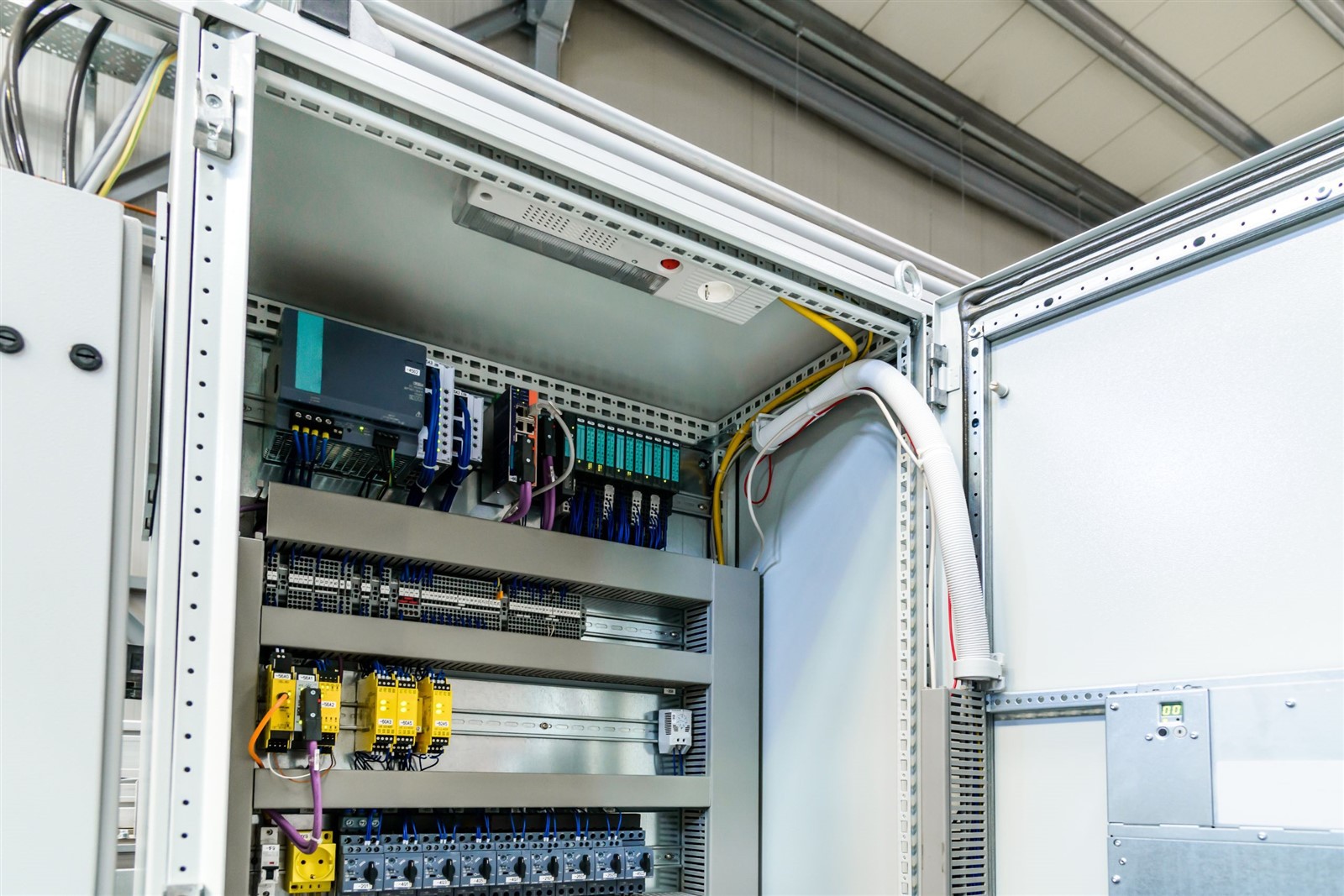

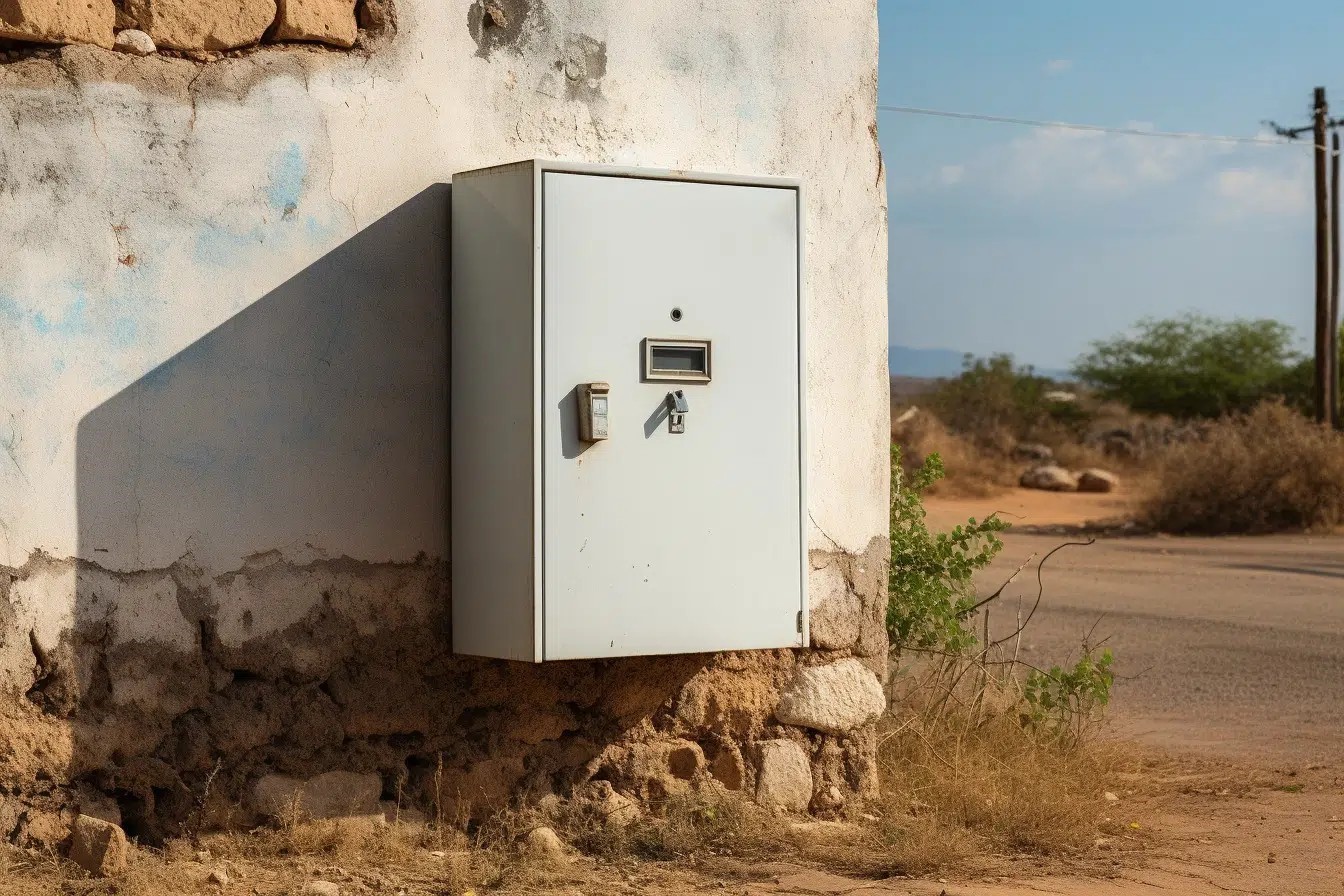

Material selection is the core key to electrical housing design, directly determining protection performance, environmental adaptability, safety compliance and life cycle cost. Different application scenarios have strict requirements on material properties: industrial environments require corrosion-resistant metals, outdoor equipment relies on UV-resistant plastics, and medical/communication equipment must meet EMI shielding and biocompatibility standards. Mistakes in material selection may lead to catastrophic consequences - low-temperature brittle cracking, EMI interference causing system failures, and even flame retardant failure causing fires. With the advancement of material technology, new materials such as carbon fiber and self-healing coatings are breaking through the traditional performance boundaries, but engineers still need to accurately balance mechanical strength, environmental tolerance, and cost-effectiveness, because the correct material selection is not only a technical decision, but also the key to risk control and economic considerations.
3. Common Materials Used for Electrical Enclosures
Metal electrical enclosures are widely used in industrial-grade electrical enclosures. Steel enclosures are low-cost and high-mechanical strength, but require surface treatment to prevent rust. Aluminum alloys are both lightweight and have good heat dissipation, making them suitable for mobile devices. Copper has excellent conductivity but is more expensive and is mostly used in special electromagnetic shielding situations.
Plastic electrical enclosures have become the first choice for consumer electronics and outdoor equipment due to their lightweight insulation properties. ABS has high toughness and is easy to process, while polycarbonate provides excellent impact resistance and transparency. Both can achieve flame retardant or UV resistance through additives.
Composite electrical enclosures use a composite structure of fiber and resin to maintain the lightweight of plastics while approaching the strength of metals. They are particularly suitable for areas that require weight reduction and structural stability, such as aerospace equipment enclosures.
Stainless steel and anti-corrosion electrical enclosures are irreplaceable in corrosive environments such as chemical and marine environments. 316 stainless steel has become the first choice for coastal power stations due to its enhanced corrosion resistance due to molybdenum, while PVDF-coated plastics provide a cost-effective solution for strong acid and alkali environments.
4. Factors Influencing Material Selection

Environmental factors
Environmental factors are the basic basis for selecting materials for electrical enclosures, and different environments have specific requirements for material performance. In humid or rainy environments, materials with excellent anti-rust properties must be selected, such as 304/316 stainless steel or aluminum alloys with special surface treatment, and the sealing design must be used to ensure waterproof effect. In high-temperature environments, the heat resistance of the material needs to be considered. Ordinary plastics may deform, so glass fiber reinforced nylon or high-temperature resistant engineering plastics need to be selected. For industrial environments with chemical corrosion, such as chemical plants or coastal areas, corrosion-resistant materials such as PVDF coatings and 316 stainless steel need to be used. In addition, in extremely cold areas, the low-temperature brittleness of the material must also be considered to prevent the enclosure from cracking and failing at low temperatures.
Protection level standards
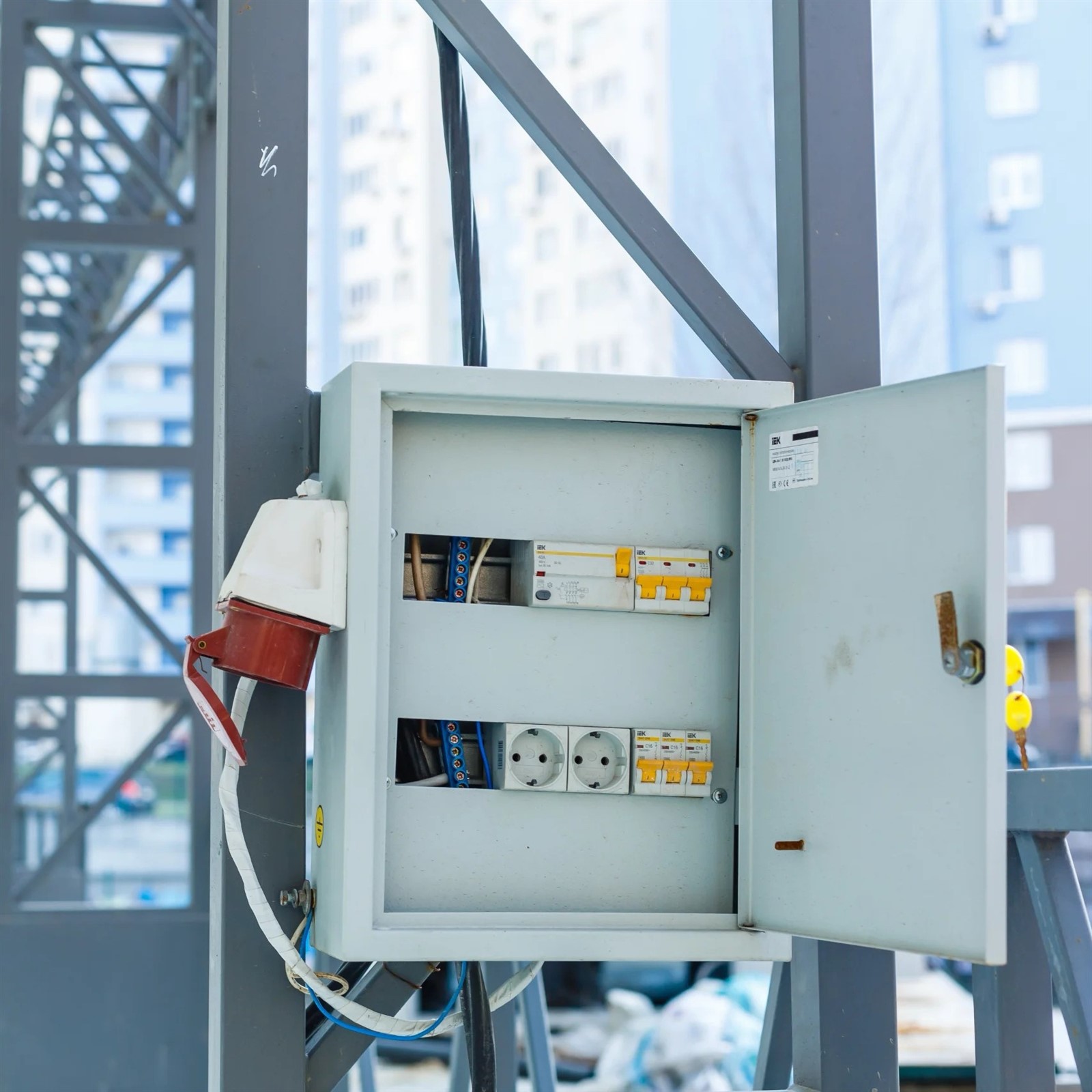
The protection level standard is an important standard for selecting housing materials. The internationally accepted IP protection level and NEMA standard have clear requirements for material selection. For example, to achieve the IP65 dust and water resistance level, it is usually necessary to use an integrated metal shell or a precision injection molded plastic shell, combined with a professional sealing process. The NEMA 4X standard requires that the housing has both corrosion resistance and spray resistance, which often requires the use of special materials, such as galvanized steel plates with anti-corrosion coatings, or composite materials such as glass fiber reinforced plastics. In special industries such as medical and food, materials that meet FDA or other industry certification standards are also required to ensure safety and hygiene.

Mechanical strength and durability
Mechanical strength and durability are directly related to the service life and reliability of the housing. In harsh environments such as heavy industry and mining, the housing needs to withstand strong impact and vibration. Die-cast aluminum alloy or high-strength carbon steel are ideal choices, and their excellent impact resistance can effectively protect internal components. For mobile devices that need to be lightweight, carbon fiber composite materials can be used to ensure strength and reduce weight. Outdoor equipment must also consider the anti-aging properties of the material. For example, polycarbonate with added UV stabilizers can withstand long-term sunlight exposure. In addition, wear-resistant materials need to be selected for panel parts that are frequently opened and closed to avoid wear and tear caused by long-term use.
Cost and processability
Cost and processability are economic factors that must be weighed in material selection. Ordinary carbon steel plates have low costs and are suitable for mass production, but require additional surface treatment processes to prevent rust. Although engineering plastics such as ABS and PC have high raw material costs, the injection molding process is suitable for one-time molding of complex structures, which has cost advantages in mass production. Although special materials such as titanium alloys have excellent performance, their high material costs and complex processing technology limit their scope of application. When selecting materials, it is necessary to comprehensively consider factors such as initial investment, processing difficulty, and maintenance costs to find the best balance between performance requirements and budget. In addition, the recyclability of the material must also be considered to meet increasingly stringent environmental protection requirements.

5. Innovative Materials and Future Trends for Electrical Enclosures
With the advancement of technology and the increase in environmental protection needs, electrical housing materials are experiencing revolutionary changes. Smart materials such as self-healing polymers can automatically repair cracks after damage and extend the life of the housing; phase change materials can actively adjust the temperature to solve the problem of heat dissipation in high-temperature environments; and piezoelectric materials can generate electricity through mechanical vibration to provide auxiliary energy for low-power devices. Recyclable materials are also increasingly valued. Bio-based plastics and degradable composite materials can not only meet the needs of use, but also greatly reduce the environmental impact of discarded housings. The maturity of carbon fiber recycling technology and metal powder recycling technology has further promoted the application of circular economy in the field of electrical housings.
In the future, electrical housings will show three major development trends: environmental protection - using low-carbon materials and clean production processes, such as water-based coatings instead of traditional electroplating; sustainable design - modular structure is easy to repair and upgrade, reducing the overall replacement frequency; functional integration - the housing is no longer just a protective cover, but an intelligent platform that integrates sensors, energy storage units and communication modules. With the popularization of 3D printing technology, personalized customized housings and distributed manufacturing models will also become possible, providing more flexible and efficient protection solutions for electrical equipment.
Send Inquiry