

Steel vs stainless steel enclosure: what's the difference?
Jul 16, 2026
Leave a message
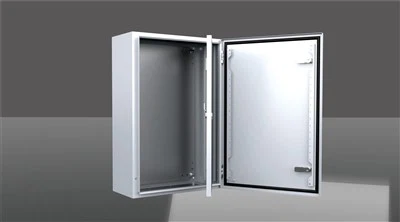
Selecting the right enclosure material is one of the first decisions engineers and purchasing teams make during an electrical or industrial equipment project. While steel and stainless steel enclosures may appear similar in structure, their performance, maintenance requirements, manufacturing cost, and application environments are quite different.
Choosing the wrong material can increase maintenance costs, shorten equipment life, or result in unnecessary project expenses. Understanding the characteristics of each material helps buyers specify the most suitable enclosure for the operating environment instead of simply selecting the more expensive option.
Carbon Steel Enclosures
Carbon steel remains one of the most commonly used materials for industrial electrical enclosures. It provides high mechanical strength, excellent machinability, and competitive manufacturing costs.
After fabrication, carbon steel enclosures are typically finished with powder coating to improve corrosion resistance and surface durability. When the coating remains intact, the enclosure performs well in most indoor industrial environments.
Typical applications include:
- Factory automation systems
- Electrical control panels
- Power distribution cabinets
- Machine control equipment
- Indoor industrial installations
Carbon steel is also easy to process using laser cutting, CNC bending, welding, and machining. This allows manufacturers to produce complex cabinet structures efficiently while maintaining dimensional accuracy.
For projects with large production volumes, carbon steel usually offers a lower total manufacturing cost than stainless steel.
Stainless Steel Enclosures
Stainless steel contains chromium, which forms a protective oxide layer on the surface. This natural protection significantly improves corrosion resistance without relying entirely on surface coatings.
Because of this property, stainless steel enclosures are commonly selected for harsh environments where moisture, chemicals, or frequent cleaning are present.
Typical applications include:
- Food processing facilities
- Pharmaceutical production
- Chemical plants
- Marine equipment
- Wastewater treatment systems
- Outdoor infrastructure exposed to severe weather
Stainless steel also maintains its appearance over long periods and requires less maintenance in corrosive environments.
Although the initial material cost is higher, the longer service life often reduces lifecycle costs where corrosion is a major concern.
Material Strength Comparison
Both materials provide excellent structural performance for industrial enclosure manufacturing.
Carbon steel generally offers high tensile strength and excellent rigidity, making it suitable for large electrical cabinets and floor-standing enclosures.
Stainless steel also provides high strength while maintaining better corrosion resistance. Certain stainless steel grades may have slightly different forming characteristics during fabrication, requiring appropriate tooling and processing parameters.
For most industrial cabinet applications, structural strength is rarely the deciding factor. Environmental conditions usually have a much greater influence on material selection.
Corrosion Resistance
Corrosion resistance is the biggest difference between the two materials.
Powder-coated carbon steel performs well indoors or in controlled industrial environments. However, once the coating is damaged, exposed steel may begin to rust if moisture reaches the surface.
Stainless steel offers inherent corrosion resistance throughout the material itself. Minor scratches generally do not affect its ability to resist corrosion because the protective chromium oxide layer naturally reforms.
Projects located in coastal regions, chemical facilities, or outdoor installations with constant exposure to rain and humidity typically benefit from stainless steel construction.
Manufacturing and Fabrication
Both materials are compatible with modern sheet metal manufacturing processes, including:
- CNC laser cutting
- CNC punching
- Precision bending
- Robotic welding
- Hardware insertion
- Surface finishing
- Final assembly
At Prota, advanced sheet metal fabrication equipment is used to manufacture both carbon steel and stainless steel enclosure systems according to customer drawings and project specifications.
Manufacturing processes are selected based on material characteristics, dimensional tolerances, structural complexity, and production volume to ensure consistent product quality.
Surface Finish Options
Surface treatment differs significantly between the two materials.
Carbon steel commonly receives:
- Powder coating
- Epoxy coating
- Polyester coating
- Textured finishes
- Custom RAL colors
These finishes improve corrosion resistance while providing an attractive appearance suitable for industrial environments.
Stainless steel generally requires less additional coating because its corrosion resistance comes from the material itself.
Common finishes include:
- Brushed finish
- Satin finish
- Polished finish
- Bead blasted finish
The finish selected often depends on hygiene requirements, appearance, and cleaning procedures.
Cost Considerations
Material cost is often an important factor during procurement.
Carbon steel generally offers:
- Lower raw material cost
- Faster production
- Lower overall project investment
- Excellent value for indoor applications
Stainless steel generally involves:
- Higher material price
- More demanding fabrication
- Longer machining time in some applications
- Lower maintenance cost during service life
For projects installed in ordinary factory environments, carbon steel usually provides the best balance between cost and performance.
For highly corrosive environments, the higher initial investment in stainless steel can be justified by reduced maintenance and longer equipment life.
Which Material Should You Choose?
Material selection should always be based on the actual operating environment rather than price alone.
Carbon steel is suitable when:
- Equipment is installed indoors
- Environmental humidity is controlled
- Budget is a major consideration
- Powder-coated surfaces provide sufficient protection
Stainless steel is recommended when:
- Equipment operates outdoors year-round
- Frequent washdown is required
- Chemical exposure is expected
- Salt spray or marine environments are present
- Hygiene standards require corrosion-resistant materials
Selecting the appropriate material during the design stage can reduce future maintenance costs and improve long-term equipment reliability.
Custom Enclosure Manufacturing
Many industrial projects require more than standard enclosure sizes. Equipment layout, cable routing, mounting requirements, and environmental protection often vary from one application to another.
Custom enclosure manufacturers can modify:
- Cabinet dimensions
- Door configuration
- Internal mounting plates
- Cable entry locations
- Ventilation systems
- Locking mechanisms
- Roof structures
- Base designs
- Surface finishes
This flexibility helps ensure the enclosure matches both the equipment and the installation environment.
Working with an Experienced Manufacturer
Material selection is only one part of enclosure design. Manufacturing capability, engineering support, and quality control also affect the final product.
Prota specializes in custom metal enclosure manufacturing for industrial applications, offering both carbon steel and stainless steel solutions. The engineering team supports customers throughout product development, from drawing review and structural optimization to fabrication and final assembly.
With precision sheet metal processing, flexible OEM production, and experience serving global industrial customers, Prota helps deliver enclosure solutions that match technical requirements and production schedules.
FAQ
Is stainless steel always better than carbon steel for electrical enclosures?
Not necessarily. Stainless steel performs better in corrosive environments, while carbon steel is often more cost-effective for indoor industrial applications.
Which stainless steel grade is commonly used for enclosures?
Grade 304 is widely used for general industrial environments. Grade 316 is preferred where higher corrosion resistance is required, especially in marine or chemical applications.
Can carbon steel enclosures be used outdoors?
Yes. With appropriate powder coating, sealing, and IP-rated design, carbon steel enclosures can perform well outdoors in many environments. The expected service conditions should always be evaluated before material selection.
Can enclosure dimensions be customized?
Yes. Custom manufacturers can produce enclosures according to drawings, equipment layouts, and project specifications, including non-standard sizes and internal configurations.
Which material offers the lower total cost?
For indoor applications, carbon steel generally provides a lower overall project cost. In highly corrosive environments, stainless steel may deliver better long-term value because of reduced maintenance and longer service life.
Send Inquiry